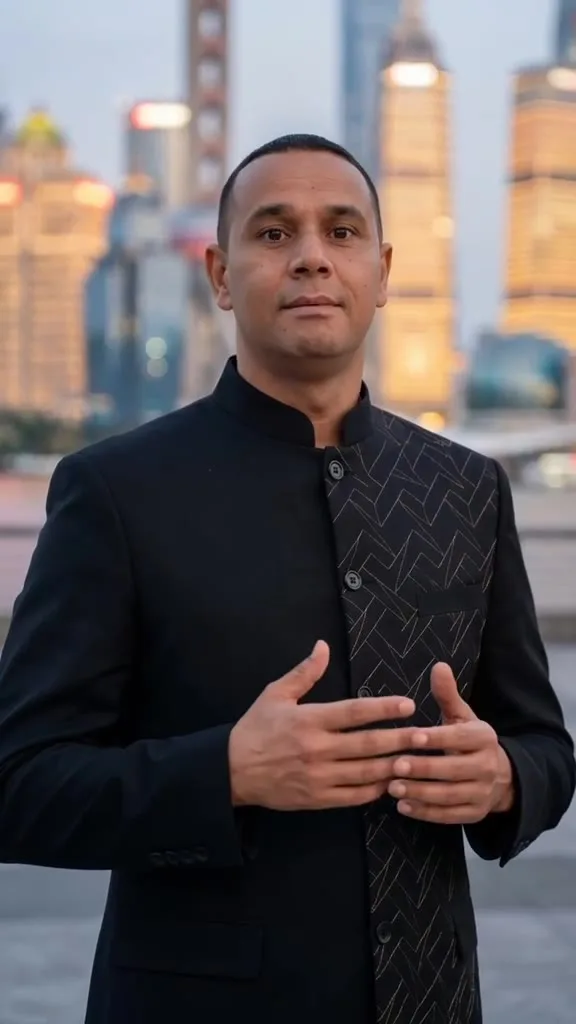
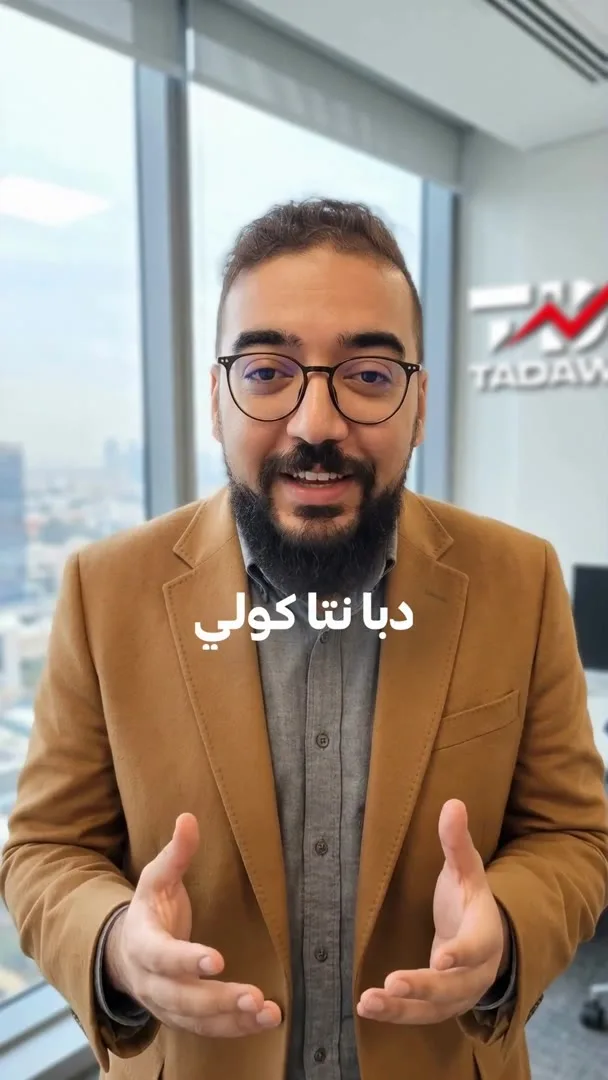
Our portfolio is a record of finished work, not a menu. It shows a selection of the AI presenter videos and product films we have made. If your idea is a different format, a different style or a mix of both, the place to start is the same: tell us what you have in mind.
Start with what the film needs to do
Before format or style, describe the job:
- Who is it for?
- What should they feel, understand or do afterwards?
- Where will they see it?
These are the questions every project starts with. In the first step, we learn the audience, the message, the product and where the film will appear.
Describe the idea in plain words
Two or three sentences are enough. Say what happens, what it looks like and how it should feel. If the easiest way to describe it is by comparison, that works too: “like your product films, but with a presenter in the scene” is a useful start.
Show references, and explain them
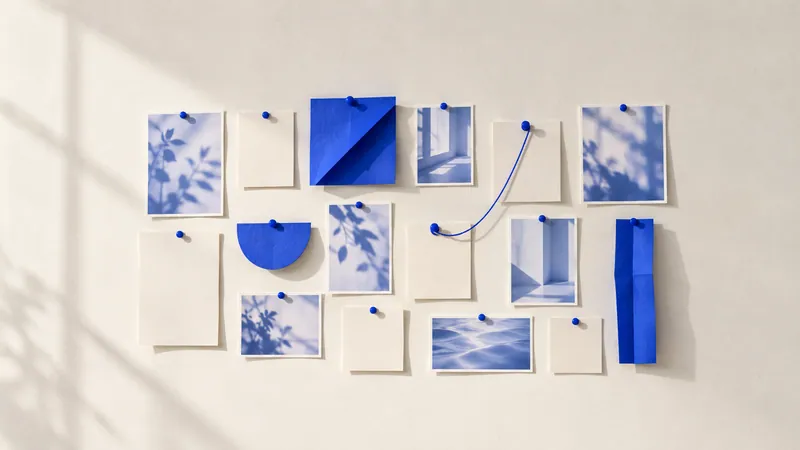
Images, films, posts, even a sketch on paper. For each reference, tell us what matters: the light, the colour, the pace, the setting or the tone. That note matters as much as the reference itself.
Separate what is fixed from what is open
Some things cannot move: product details, logos, the claims you are allowed to make, and anyone’s likeness, along with the permission behind it. Others are open: settings, styling, camera, music and pacing. Telling us which is which gives us room to suggest ideas without putting the fixed details at risk.
Name the practical limits
- Deliverables: how many films, their lengths, shapes and languages.
- Dates that cannot move.
- A budget range. Cost and timing depend on what you need, and we agree the scope, price and timing with you before starting. A range helps us suggest an approach that fits.
- Who approves the work.
How we help define the direction
Once we have your brief, the work follows four steps:
- Brief. We learn the audience, message, product and where the film will appear.
- Direction. We agree the creative direction and the details that will shape the production.
- Production. We build the footage and edits around the approved idea and requirements.
- Review and delivery. We review the finished work together and prepare the agreed final formats.
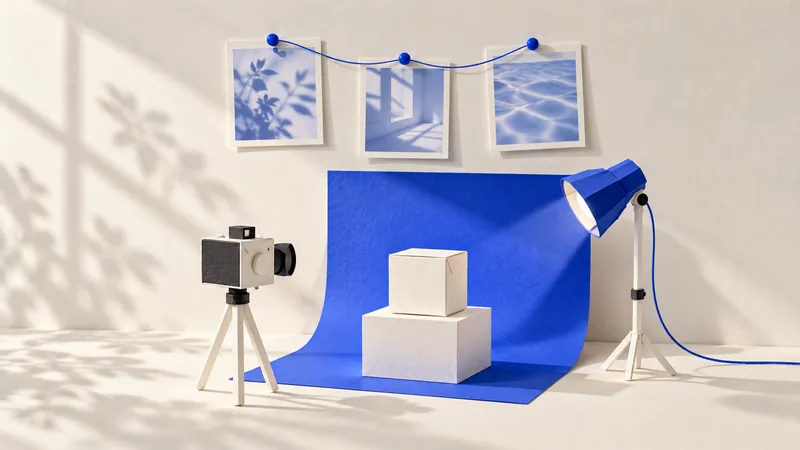
For a new idea, direction is where most of the shaping happens. A still frame is one way to agree a look before any footage exists.
A brief can start small
A clear brief or a rough idea is enough. We can start with either, and brand assets and references help if you have them. If it helps, copy this outline into your message:
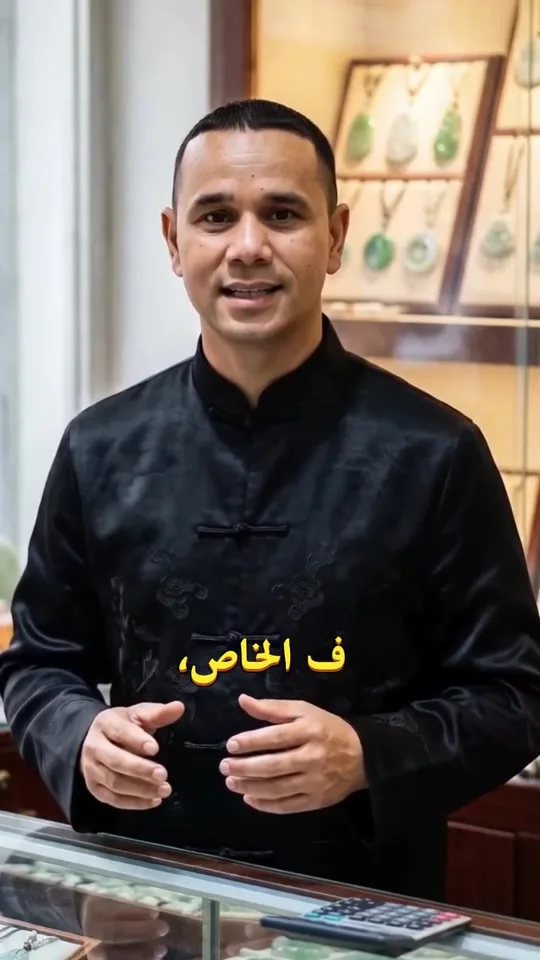
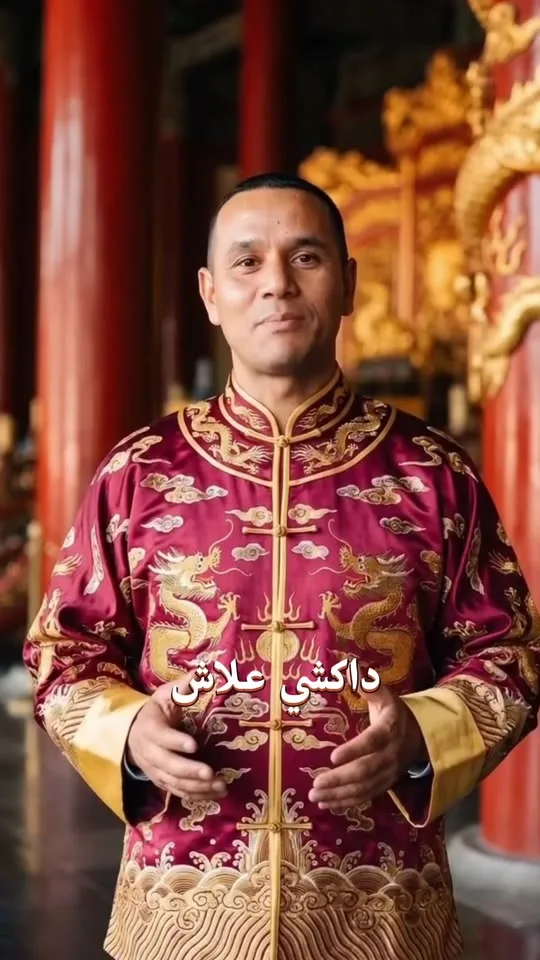
For a closer look at two kinds of project we already make, read how we kept Amine consistent across three AI presenter videos or what to prepare before commissioning an AI product film.
 Let’s make something